
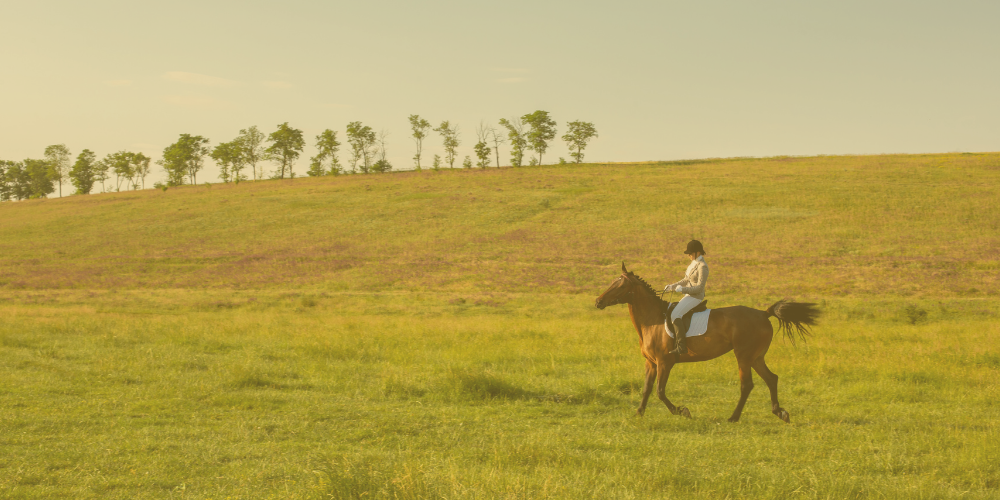
What a beauty… don’t let your eyes fool you, buyer beware!
Horses are majestic animals, embodying a blend of raw power, elegance a deep-rooted companionship with humans. They continue to enjoy symbols freedom and grace across cultures with their flowing manes and athletic gait and intelligent nature. As an equestrian myself, I see horses as giant labradors full of love! They are powerful animals with a breath-taking presence with large expressive eyes. It is no wonder that we love them so much and are captivated by them.
After the Covid -19 pandemic, there has been a huge increase in the purchases of horses. This is driven by a surge in popularity for riding being seen as a safe outdoor activity which has demanded for horses to grow rapidly, leading to high asking prices and more frequent online purchases. Unfortunately, the boom in demand and prices has led to a rise in disputes relating to horses being misrepresented or mis-sold, particularly so in private sales where the buyer has less protection. During lockdown and the restrictions imposed by the lockdown, many people would be buying horses unseen without physically going to view and try the horse for the purposes intended.
Even today, post Covid -19, we are seeing that out of all the claims involving horses, the ones which happen most frequently are horse purchase disputes. These disputes either fall under commercial or private sales.
It is crucial for buyers to physically see and examine the horse that they intend to purchase and to try it. The buyer needs to be sure that the horse that they are buying is of satisfactory quality, set for intended purpose and matches the description. The seller has no such obligations, and this is known as “buyer beware”. As a buyer you must be able to prove that the seller made a false statement regarding that horse. Do your research and seeking veterinary assistance before purchasing one.
Common misrepresentation areas on the rise include claiming a horse is “safe for a novice” when it is not, or stating that a horse has no vices when it has in fact got stable vices. Another common area is hiding past injuries or ongoing medical conditions. There is also a rise in sellers overstating competition experience, the age of the horse and even its height!
Useful tips if a horse is mis-sold:
- Notify the seller immediately. Do this in writing so that you have a trail of communication present which can be used as evidence later. Confirm the issues that you are experiencing and your concerns.
- Seek veterinary assistance. Obtain a report from the vet stating that the issues existed before the horse sale had taken place. Ask the seller for the details of the vet surgery responsible for treating the horse and for the seller to give permission to the vet practice to reveal to you details of all behavioural and physical conditions of the horse that they may have treated the horse for. Take veterinary advice.
- Gather evidence. Obtain the advert, if it’s a Facebook advert or online advert take a screenshot. If it is a newspaper article keep hold of that article. Keep hold of any emails, texts, video recordings showing the statements made about the horse.
- Ask a trainer or instructor to assess the horse to confirm the behaviour.
- If a buyer purchases a horse during the course of business from a dealer then they may have protection under the Consumer Rights Act 2015.
- The buyer has a legal right to reject the horse for a full refund if it is mis-sold within 30 days (trader sale).
- After 30 days a buyer can obtain compensation or return BUT must show that the seller was in breach of contract or misrepresented the horse (private sale).
- If the buyer misses the 30-day window under the Consumer Rights Act they must allow the trader one chance to repair (re-train) the horse.
- If a dealer has acted fraudulently, steps can be taken to report them to the local authority Trading Standards.